Robotic Adrenalectomy Mumbai: Advanced Adrenal Tumour Surgery by Dr. Vivek Venkat


The adrenal glands are small, triangular-shaped organs located above each kidney. Despite their size, they play an important role in regulating blood pressure, metabolism, stress responses and hormonal balance. Sometimes, abnormal growths or tumours can develop in these glands, leading to excessive hormone production or other health complications. While many adrenal tumours are benign, certain conditions require surgical removal.
Robotic adrenalectomy Mumbai is an advanced minimally invasive surgical option used to remove adrenal gland tumours with precision. At Jewel Urology Center, Dr. Vivek Venkat provides specialised evaluation and treatment for adrenal conditions, using his expertise in robotic urology and uro-oncology to develop individualised treatment plans.
What Is Robotic Adrenalectomy?
Robotic adrenalectomy is a minimally invasive surgical procedure performed to remove one or both adrenal glands, depending on the patient’s medical condition. The procedure uses a robotic surgical system that allows the surgeon to control specialised instruments through small incisions.
The adrenal glands are located deep inside the abdomen, close to important structures such as the kidneys, major blood vessels and surrounding organs. Robotic technology provides magnified three-dimensional visualisation and flexible instrument movement, helping the surgeon perform precise dissection.
The main objectives of the procedure include removing hormone-producing adrenal tumours, treating suspicious growths and managing selected adrenal cancers. The decision to remove the entire gland or a portion depends on the tumour’s characteristics and the patient’s clinical condition.
What Conditions May Require Robotic Adrenalectomy Mumbai?
Not every adrenal tumour requires surgery. Some small, non-functioning and benign adrenal masses can be monitored through regular medical assessments. However, surgical treatment may be recommended in certain situations.
Common conditions include:
1. Pheochromocytoma: This is a rare adrenal tumour that produces excessive adrenaline-related hormones. It may cause high blood pressure, headaches, excessive sweating and episodes of rapid heartbeat.
2. Aldosterone-Producing Adenoma: These tumours produce excess aldosterone, which can lead to persistent high blood pressure and low potassium levels.
3. Cortisol-Producing Tumours: Excess cortisol production can cause Cushing’s syndrome, resulting in weight gain, muscle weakness, high blood sugar and other metabolic complications.
4. Adrenal Cancer: Adrenocortical carcinoma is a rare but potentially aggressive cancer that may require surgical removal.
5. Large or Suspicious Adrenal Masses: Certain tumours may require surgery because of their size, growth pattern or concerning imaging characteristics.
6. Metastatic Adrenal Tumours: Cancer originating in another organ can sometimes spread to the adrenal gland. Selected patients may benefit from surgical treatment.
A detailed assessment helps determine whether surgery, observation or another treatment approach is appropriate.
Symptoms That May Indicate an Adrenal Gland Problem
Adrenal tumours may remain asymptomatic and are sometimes discovered accidentally during CT scans or MRI investigations performed for unrelated conditions.
However, hormone-producing tumours may cause symptoms such as:
Persistent or difficult-to-control high blood pressure.
Frequent headaches and excessive sweating.
Rapid heartbeat or palpitations.
Unexplained weight gain.
Muscle weakness and fatigue.
Increased blood sugar levels.
Low potassium levels.
Episodes of anxiety-like symptoms.
These symptoms do not always indicate an adrenal tumour. Proper hormonal testing and medical evaluation are necessary to identify the underlying cause.
How Is Robotic Adrenal Surgery Performed?
Robotic adrenalectomy Mumbai is generally performed under general anaesthesia by a trained robotic surgeon. The surgical approach depends on the tumour’s size, location and characteristics.
1. Patient Preparation: Before surgery, the patient undergoes medical evaluation, imaging investigations and hormonal testing. Special preparation may be necessary for hormone-producing tumours, particularly pheochromocytoma.
2. Small Surgical Incisions: The surgeon makes small incisions in the abdominal region to introduce the robotic instruments and camera.
3. Robotic Instrument Placement: The robotic surgical system provides magnified three-dimensional visualisation of the adrenal gland and surrounding structures.
4. Identification of the Adrenal Gland: The surgeon carefully separates the adrenal gland from nearby tissues and identifies important blood vessels.
5. Removal of the Tumour: The affected adrenal gland or selected portion is carefully removed, depending on the surgical plan.
6. Completion of Surgery: The specimen is removed, the surgical area is checked and the incisions are closed.
The duration of surgery varies according to the complexity of the case and the patient’s medical condition.
Benefits of Robotic Adrenalectomy
Robotic surgery offers several potential advantages for appropriately selected patients.
Smaller Incisions: Minimally invasive access can reduce surgical trauma compared with conventional open surgery.
Enhanced Visualisation: Magnified three-dimensional views help the surgeon identify delicate anatomical structures.
Greater Instrument Flexibility: Articulating robotic instruments support precise movements in confined surgical spaces.
Reduced Blood Loss: Meticulous dissection may help minimise intraoperative blood loss.
Less Postoperative Discomfort: Many patients experience less pain compared with open surgery.
Shorter Hospital Stay: Minimally invasive procedures may allow earlier discharge.
Faster Recovery: Patients may return to routine activities sooner, depending on their overall health and surgical complexity.
However, robotic surgery is not suitable for every adrenal tumour. Open surgery may be preferred for certain large or invasive cancers.
Diagnosis and Preparation Before Surgery
Accurate diagnosis is essential before recommending adrenal surgery. The doctor may advise several investigations to understand the tumour’s nature and hormonal activity.
These may include:
CT scan or MRI of the abdomen.
Blood pressure assessment.
Blood and urine hormone tests.
Cortisol and aldosterone evaluation.
Metanephrine testing for suspected pheochromocytoma.
Additional investigations when malignancy is suspected.
Patients with pheochromocytoma may require specific medication and blood pressure stabilisation before surgery to reduce anaesthesia-related risks.
Why Choose Dr. Vivek Venkat at Jewel Urology Center?
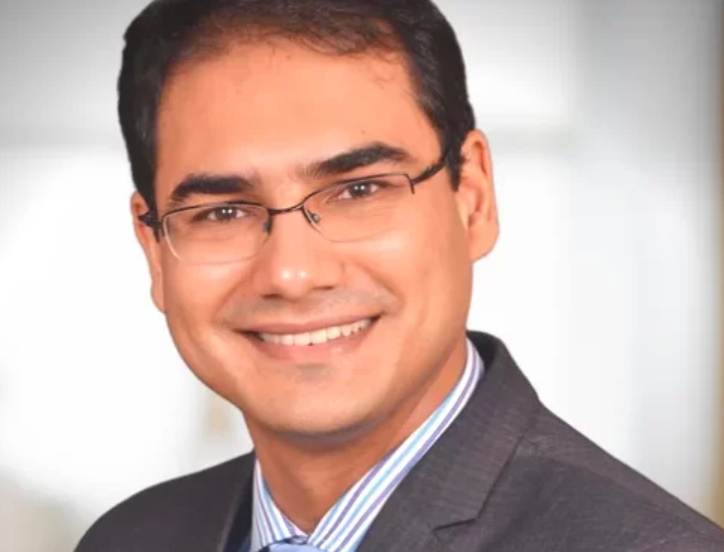
Choosing an experienced robotic urologist is important when undergoing complex adrenal surgery. Dr. Vivek Venkat is a fellowship-trained Uro-Oncologist and Robotic Urologist with more than 15 years of clinical experience in advanced urological procedures.
He completed his MBBS from B.J. Medical College, Pune, followed by an MS in General Surgery from Seth G.S. Medical College and K.E.M. Hospital, Mumbai. He subsequently earned his M.Ch. in Urology from Christian Medical College (CMC), Vellore, where he was a Gold Medallist.
Dr. Vivek Venkat also completed specialised fellowship training in Urologic Oncology and Robotic Surgery at the University of Miami Miller School of Medicine, USA. He is ECFMG certified and has served as a Clinical Instructor in Urologic Oncology and Robotic Surgery at the University of Miami Hospital. He was also an Assistant Professor in Urology and Renal Transplantation at CMC Vellore.
His clinical expertise includes robotic adrenalectomy, kidney cancer surgery, prostate cancer treatment, bladder cancer surgery, minimally invasive urology and complex robotic procedures. He has participated in more than 800 robotic surgical cases and contributed to the landmark RAZOR clinical trial comparing robotic and open radical cystectomy for bladder cancer.
At Jewel Urology Center, patients receive a professional consultation experience focused on detailed assessment, clear communication and personalised treatment planning. The clinical approach includes reviewing diagnostic reports, explaining treatment options and guiding patients through preoperative preparation and postoperative follow-up. Robotic procedures are performed in an appropriately equipped hospital operating environment.
Patients searching for the Best Uro Oncologist in Mumbai can consult Dr. Vivek Venkat for specialised evaluation of adrenal tumours and other complex urological conditions. His international training and experience make him a suitable specialist to consider when looking for the Best Uro Surgeon in Mumbai.
Recovery After Robotic Adrenalectomy
Recovery depends on the patient’s general health, tumour characteristics and whether one or both adrenal glands are removed.
After surgery, patients may require monitoring of blood pressure, electrolyte levels and hormone production. Those who undergo removal of a hormone-producing tumour may experience changes in their medication requirements.
Important recovery recommendations include:
Follow the prescribed medication schedule.
Avoid strenuous activities and heavy lifting until permitted.
Maintain proper hydration and nutrition.
Attend regular follow-up consultations.
Complete recommended hormonal assessments.
Report fever, severe abdominal pain or unusual symptoms promptly.
Most patients undergoing minimally invasive surgery can gradually resume normal activities over the following weeks. Recovery timelines vary individually.
Consult Dr. Vivek Venkat for Advanced Adrenal Surgery
Adrenal tumours require careful evaluation because they can affect several important functions of the body. Early diagnosis and appropriate treatment planning help patients understand their condition and available treatment options.
If you are considering Robotic adrenalectomy Mumbai, consult Dr. Vivek Venkat at Jewel Urology Center for specialized adrenal tumour evaluation and robotic surgical guidance. With advanced training in robotic urology, uro-oncology and minimally invasive procedures, he provides individualiezd care based on each patient’s medical requirements.
Book your consultation today:
Get Directions to the Clinic – Jewel Urology Center
Take an informed step towards effective adrenal tumour management with expert urological care.
Frequently Asked Questions
1. What is robotic adrenalectomy used for?
Robotic adrenalectomy is used to remove adrenal gland tumours, including pheochromocytomas, aldosterone-producing adenomas, cortisol-producing tumours and selected adrenal cancers.
2. Is robotic adrenalectomy a major surgery?
It is a specialised surgical procedure performed under general anaesthesia. Although minimally invasive, it requires careful planning and an experienced surgical team because the adrenal glands are located near important blood vessels and organs.
3. How long does recovery take after robotic adrenalectomy?
Recovery varies depending on the patient’s health and the complexity of surgery. Many patients resume routine activities within a few weeks, with follow-up appointments to monitor blood pressure and hormonal balance.
4. Can a person live normally after adrenal gland removal?
Yes. Most people can live normally after removal of one adrenal gland because the remaining gland usually produces sufficient hormones. If both glands are removed, lifelong hormone replacement medication is generally necessary.


Comments