Best Ophthalmologists in Greater Noida: Inside Oculus Eye Clinic with Dr. Tanima Bansal

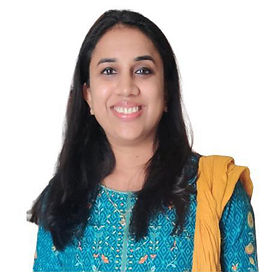
As a medical journalist who regularly visits clinics and specialty centers across India, I recently traveled to Oculus Eye Clinic to understand how ophthalmology practices are evolving in rapidly growing urban regions. My visit included a detailed conversation with Dr. Tanima Bansal, whose clinical work has positioned her among the Best ophthalmologists in Greater Noida.
During the interview, Dr. Tanima Bansal spoke about the increasing prevalence of vision-related issues such as refractive errors, cataracts, digital eye strain, and retinal concerns. She explained how modern eye care clinics must combine precise diagnostics with patient education to manage these conditions effectively. My visit offered insight into how ophthalmologists approach diagnosis, treatment planning, and long-term eye health management.
Dr. Tanima Bansal’s Qualifications and Clinical Experience as One of the Best Ophthalmologists in Greater Noida
Dr. Tanima Bansal’s medical background reflects specialized training in ophthalmology, supported by years of clinical experience in diagnosing and managing a wide range of eye conditions. Her qualifications include formal education in medicine followed by dedicated training in eye care and ophthalmic procedures.
Recognized by many patients as one of the Best Ophthalmologists In Greater Noida, Dr. Tanima Bansal has worked with patients across different age groups—from children with vision problems to elderly individuals dealing with cataracts or age-related eye disorders.
During our conversation, she emphasized that eye care is not limited to treating vision problems alone.
“Many eye conditions progress silently,” she explained. “Regular eye examinations are essential for early detection and prevention.”
Her clinical expertise includes comprehensive eye examinations, management of refractive errors, diagnosis of retinal conditions, and evaluation of patients requiring surgical treatment.
Inside Oculus Eye Clinic: Clinical Environment and Infrastructure
Walking through Oculus Eye Clinic, I observed a structured clinical setup designed for detailed eye evaluation. The clinic includes consultation rooms equipped with diagnostic tools commonly used in ophthalmology, such as slit-lamp microscopes, retinal imaging devices, and vision assessment systems.
The clinic environment reflects what patients often expect from a Best Eye Clinic in Greater Noida—a facility focused on both patient comfort and clinical accuracy.
Dr. Tanima Bansal explained that ophthalmology relies heavily on advanced diagnostic tools to detect subtle changes in eye structures. Early detection of conditions such as glaucoma, diabetic retinopathy, or macular degeneration often depends on precise imaging and evaluation.
The clinic workflow begins with patient history and visual acuity tests, followed by detailed examinations to identify underlying causes of vision problems.
Common Eye Conditions Seen in Clinical Practice
During our discussion, Dr. Tanima Bansal highlighted several eye conditions commonly encountered in ophthalmology clinics today:
Refractive Errors: Nearsightedness, farsightedness, and astigmatism
Cataracts: Age-related clouding of the eye’s lens
Glaucoma: Increased pressure inside the eye that may damage the optic nerve
Dry Eye Syndrome: Often linked to prolonged screen use
Retinal Disorders: Including diabetic retinopathy and macular degeneration
Urban lifestyle factors—especially extended digital screen exposure—have significantly increased the number of patients experiencing digital eye strain and dry eye symptoms.
Treatment Approaches in Modern Ophthalmology
Dr. Tanima Bansal explained that treatment strategies vary widely depending on the underlying condition. Ophthalmologists may recommend:
Vision Correction
Corrective lenses or contact lenses are commonly used to address refractive errors.
Medical Management
Conditions such as glaucoma or infections may be treated with prescription eye drops or medications.
Surgical Procedures
Certain conditions, including cataracts or advanced retinal issues, may require surgical intervention.
For patients seeking expert care, consulting experienced specialists—often recognized among the Best ophthalmologists in Greater Noida—helps ensure accurate diagnosis and appropriate treatment planning.
Benefits of Professional Eye Care
Seeking consultation with trained ophthalmologists offers several advantages.
Early Detection of Eye Disease
Regular eye examinations can detect conditions such as glaucoma or retinal disease before symptoms appear.
Improved Vision Quality
Corrective treatments help improve clarity of vision and overall daily functioning.
Prevention of Long-Term Complications
Timely treatment reduces the risk of vision deterioration or permanent eye damage.
Comprehensive Eye Health Monitoring
Ophthalmologists assess not only vision but also overall eye health, including the retina and optic nerve.
Potential Risks and Limitations
Although ophthalmic treatments are generally safe, Dr. Tanima Bansal explained that certain procedures may involve potential risks or limitations.
Possible considerations include:
Temporary eye irritation from medications or eye drops
Adjustment periods when using new prescription glasses or lenses
Surgical risks associated with procedures such as cataract surgery
Variations in recovery time depending on individual health
These risks are usually manageable when treatment is performed by experienced specialists and patients follow medical advice carefully.
Approximate Cost of Eye Treatments
Costs associated with eye care vary depending on the condition being treated and the procedures involved.
According to Dr. Tanima Bansal, approximate ranges in urban clinics may include:
Routine eye consultation: ₹500 – ₹1,500
Diagnostic imaging and specialized tests: ₹1,000 – ₹5,000
Prescription lenses or corrective solutions: ₹2,000 – ₹15,000 depending on lens type
Cataract surgery: ₹30,000 – ₹1,50,000 depending on technology and lens implants
Patients are typically advised to discuss treatment options and financial considerations during consultation.
Precautions and Aftercare Advice
During our interview, Dr. Tanima Bansal also shared several preventive measures that patients should follow to maintain good eye health.
Follow the 20-20-20 Rule
After every 20 minutes of screen time, look at something 20 feet away for at least 20 seconds.
Maintain Regular Eye Checkups
Routine eye examinations help detect issues before they become serious.
Protect Eyes from UV Exposure
Wearing sunglasses outdoors can help reduce long-term eye damage.
Maintain Eye Hygiene
Avoid touching or rubbing the eyes excessively and maintain proper lens hygiene.
These preventive habits are especially important for individuals who spend extended hours working on digital devices.
The Growing Importance of Preventive Eye Care
Dr. Tanima Bansal noted that awareness about preventive eye care has improved significantly in recent years. More people now recognize the importance of routine eye examinations and early detection.
As a specialist working in Oculus Eye Clinic, she sees patients seeking both treatment and preventive care for long-term vision health.
Her work reflects the broader shift in ophthalmology toward proactive eye health management rather than reactive treatment alone.
A Journalist’s Closing Reflection
My visit to Oculus Eye Clinic and conversation with Dr. Tanima Bansal offered valuable insight into the evolving landscape of eye care.
From advanced diagnostics to patient education, modern ophthalmology continues to emphasize early detection and personalized treatment. For individuals experiencing vision problems or seeking preventive eye care, consulting experienced specialists can play an important role in maintaining long-term visual health.
Consultation Information
Serving you from Greater Noida. Have a query or want to schedule a consultation? We are just a call away.
Get Directions to the Clinic – Oculus Eye Clinic, Greater Noida.


Comments